
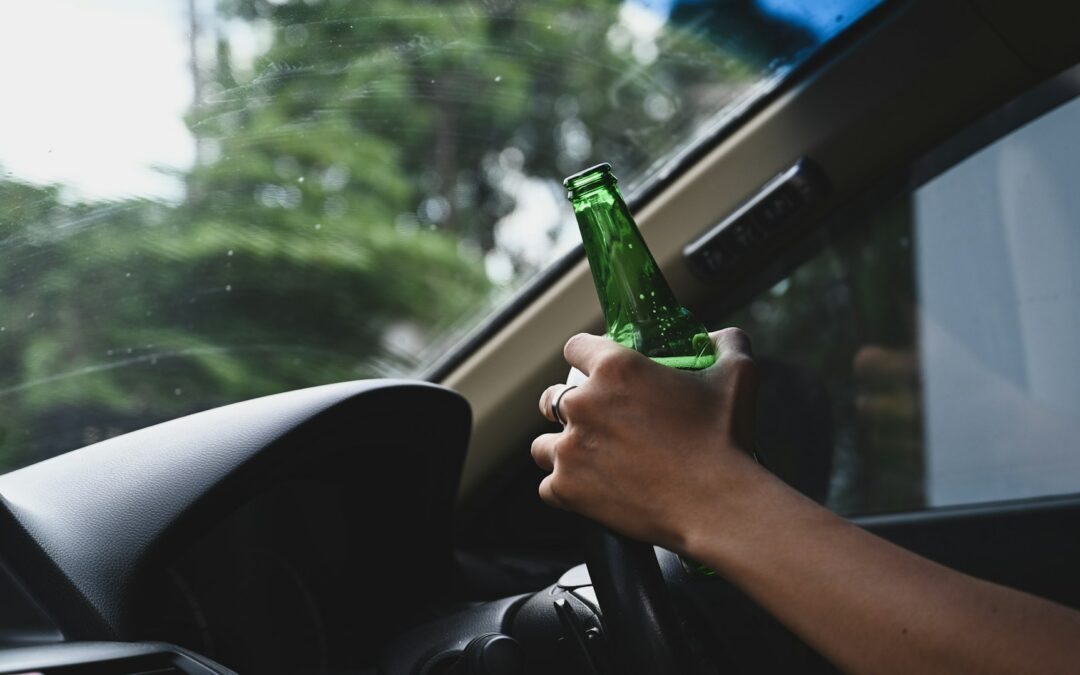
Summer Road Trips, Hidden DUI Risks
Summer in Colorado means road trips to the mountains, long days on the water, and nights at concerts or breweries. It also means more traffic, more law enforcement on the roads, and more chances for a fun plan to end with flashing lights in the rearview mirror. Many drivers think a casual beer at a lake, a tasting flight at a brewery, or some day-drinking at a festival is no big deal if they feel “fine” to drive. Colorado DUI laws do not always match what feels safe.
We see how quickly a relaxed summer plan can turn into an arrest, a license suspension, and a criminal case. At Steele Law, we focus on criminal defense and DUI cases in Colorado and we know the patterns that catch good people off guard. Our goal is to share the less obvious risks so you can make better choices before a weekend getaway turns into a serious legal problem.
How Colorado Summer Plans Turn Into DUI Stops
Many summer activities in Colorado naturally mix driving and alcohol. The problem is not only how much you drink, but where and when you drive.
Common situations that lead to DUI stops include:
- Heavy weekend traffic on I-70 and mountain highways
- Patrols near lakes, ski towns, and resort areas
- Crowds leaving concerts, breweries, and festivals at the same time
- Late-night traffic on dark, rural roads
Holiday weekends like Memorial Day, the Fourth of July, and Labor Day often mean extra DUI enforcement. Troopers and local officers pay close attention to speeding, lane changes, and minor violations, especially near popular trailheads, campgrounds, and tourist towns. Even if you are driving what you think is a “safe” speed, your car is more likely to be noticed when traffic is heavy.
Events like outdoor concerts, brewery tours, and wine tastings are built around drinking. People often plan ahead enough to say, “I will just have a few,” but do not account for:
- Drinking over several hours
- The impact of altitude on how they feel
- Drinks that are stronger than they expected
Backroads can also be risky. Many drivers leave a bar or party and choose small county roads because they think there will be fewer police. In reality, many officers focus on these roads at closing time. A simple mistake like touching the centerline or speeding on a downhill stretch can bring on a traffic stop that quickly turns into a DUI investigation.
Unexpected Triggers That Lead to DUI Arrests
Not every DUI case starts with wild driving. Some begin with very small issues that most drivers would not think twice about.
Minor problems that often trigger stops include:
- A broken taillight or headlight
- Rolling a stop sign at a quiet intersection
- Going a little over the limit on a steep hill
- Forgetting to signal a lane change
Once you are pulled over, the officer is watching everything: how you speak, how you move, and what your eyes look like. Summer activities can affect all of that. A long day hiking, rafting, or boating in the sun can leave you:
- Tired and slow to respond
- Dehydrated with dry mouth and bloodshot eyes
- Unsteady on your feet from fatigue, not alcohol
To an officer standing on the side of the road, those signs can look like impairment. If there is any odor of alcohol, or an admission that you had “just a couple,” the situation may move quickly toward field sobriety tests and a potential arrest.
Many people also forget how medications and mixed substances can affect driving. Allergy pills, anxiety medication, pain prescriptions, and cannabis products, including edibles at a barbecue or concert, can all stack together. You can face DUI or DWAI charges even if you did not drink much, or at all, if the officer believes your ability to drive was affected by what is in your system.
Colorado DUI Laws That Surprise Summer Drivers
Colorado has two main alcohol driving charges: DUI and DWAI. DUI usually applies at a blood alcohol content of 0.08 or higher. DWAI usually starts at 0.05. That surprises many people, especially visitors from other states who are used to hearing only about 0.08.
What many drivers do not realize is that:
- You can be charged even below these numbers if the officer believes you are impaired
- Both DUI and DWAI are criminal charges, not just traffic tickets
- The legal impact on your license can be separate from the criminal case
Colorado’s implied consent law also catches people off guard. By driving in the state, you are considered to have agreed to chemical testing if lawfully arrested for DUI. Refusing a breath or blood test can lead to:
- An automatic license revocation
- Longer periods without driving privileges
- Extra labels and requirements related to being seen as a “high risk” driver
Out-of-state visitors often think a DUI in Colorado will stay here. That is rarely true. Many states share information about driving records. A Colorado DUI or DWAI can follow you home, affecting your license there, your insurance, and your record long after summer ends. Having a DUI attorney in Colorado who understands both the criminal and DMV sides of the case can be very important in these situations.
Defending Against DUI Charges After a Summer Arrest
If you are arrested after a summer outing, it can feel like the case is already decided. It is not. There are many parts of a DUI case that a defense lawyer can review and challenge.
We often start by looking closely at:
- Why you were stopped in the first place
- How the officer handled field sobriety tests
- The impact of fatigue, altitude, or health issues on your behavior
Field sobriety tests are difficult under the best conditions. On gravel shoulders, steep slopes, or in strong wind or rain, they become even harder. Medical issues, injuries from hiking or sports, and normal summer exhaustion can affect balance and coordination. All of that may matter when questioning whether the officer’s conclusions were fair.
We also look at the breath or blood test and the written reports. Problems that can help your defense include:
- Devices that were not calibrated or maintained properly
- Blood samples that were not stored or labeled correctly
- Confusing or conflicting statements in the officer’s report
- Video or bodycam footage that does not match what was written
Depending on the facts, there may be options such as challenging the stop, seeking reduced charges, or exploring treatment-based paths that can lessen the long-term impact. Acting quickly is important, because deadlines for DMV hearings and other steps come up fast after an arrest.
Plan Your Summer Fun, Protect Your Driving Future
A safe and fun summer in Colorado often comes down to planning ahead. Some simple steps can greatly lower your DUI risk:
Choose a sober driver before drinking starts
- Use rideshare or shuttles from concert venues or busy bar areas
- Avoid driving on holiday nights if you have been drinking at all
- Be honest about how altitude, medication, and fatigue affect you
- Build in real downtime between drinking and driving, not just “one more hour”
If you are stopped or arrested, do not ignore it or wait to see what happens. DMV deadlines, court dates, and paperwork move on their own timeline. Getting informed about your rights and options early can make a real difference in both your criminal case and your ability to keep driving.
At Steele Law, we know that many DUI cases start with ordinary people who never thought they would be in trouble with the law. Summer in Colorado should be about enjoying the mountains, music, and time with friends, not dealing with an arrest alone. A clear understanding of the risks and the law can help protect your license, your record, and your future long after the season is over.
Protect Your Future With Experienced DUI Defense
If you are facing DUI charges in Colorado, you do not have to navigate the legal system alone. At Steele Law, our DUI attorney in Colorado will evaluate your case, explain your options, and build a strategy focused on protecting your record, license, and freedom. We invite you to reach out so we can review what happened, identify potential defenses, and start working for you right away. To schedule a consultation, please contact us today.